SAET INDUCTION
Introduction
Continuous induction hardening and tempering is a sophisticated thermal process used to enhance the mechanical properties of steel wire. Unlike traditional furnace heating, induction uses electromagnetic fields to generate heat directly within the wire itself.
This “in-line” process is essential for producing high-quality wires used in demanding applications, such as automotive springs, bridge cables, and industrial fasteners. By integrating both hardening and tempering into a single, continuous flow, manufacturers can achieve superior material consistency at high production speeds.
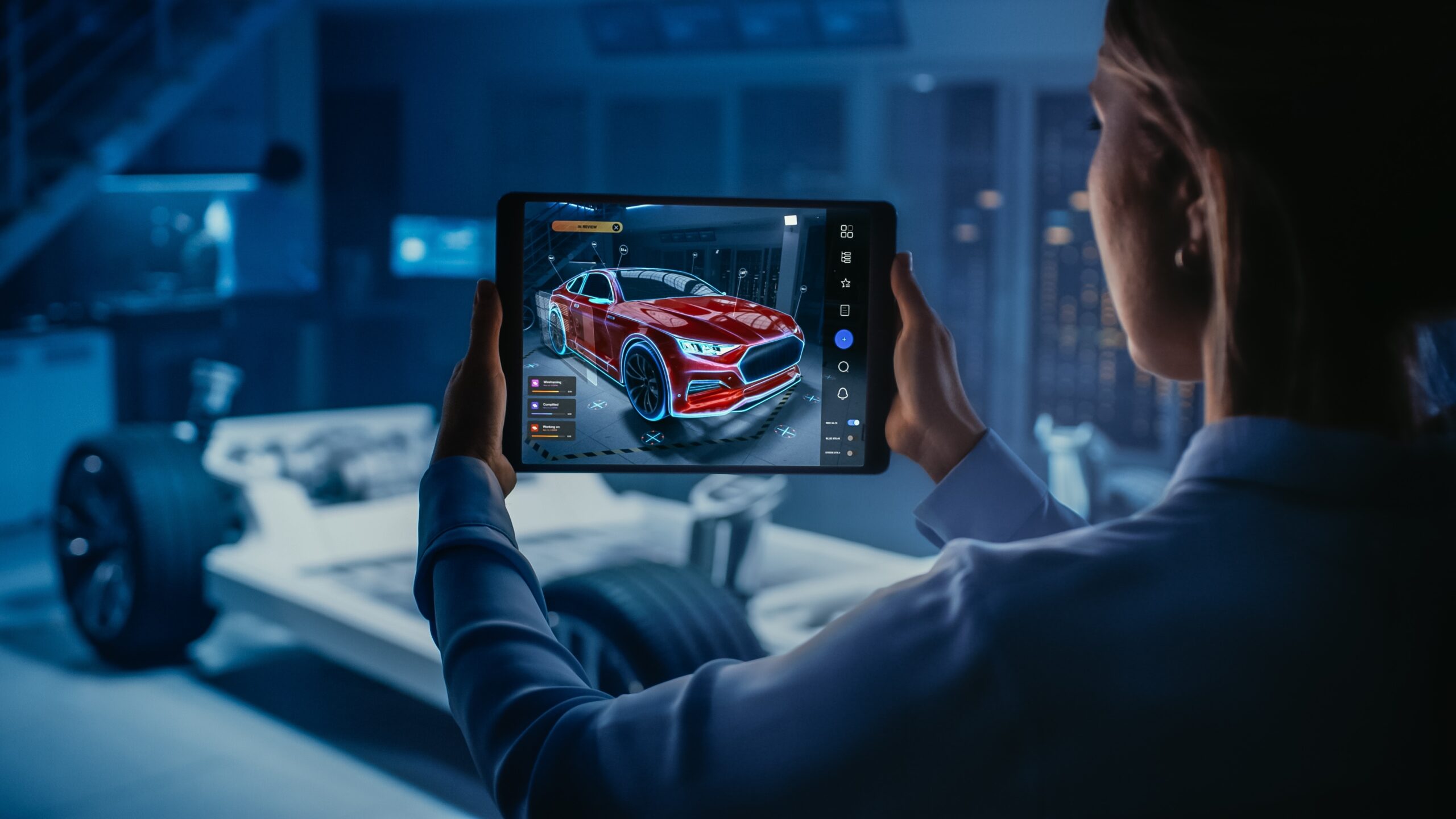
Automotive
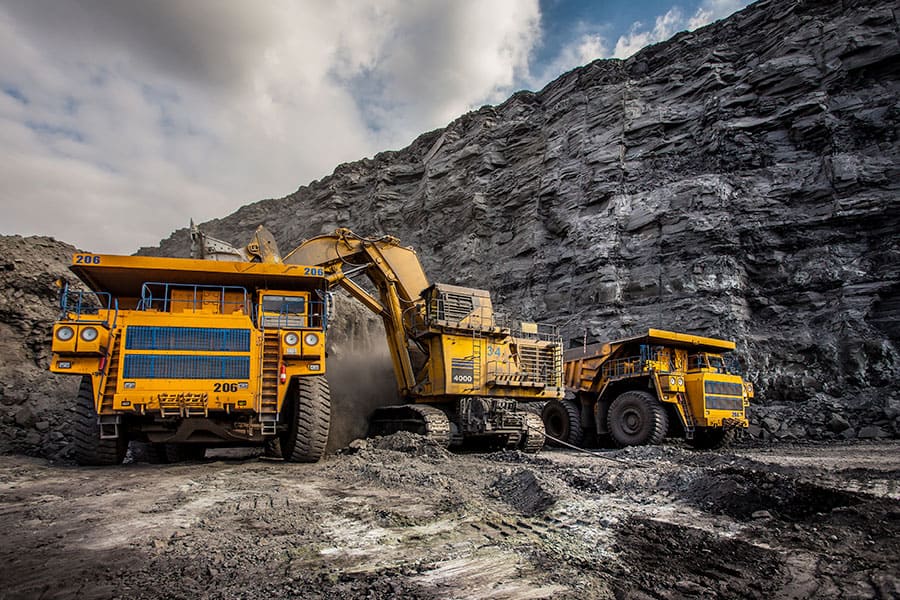
Heavy Machinery
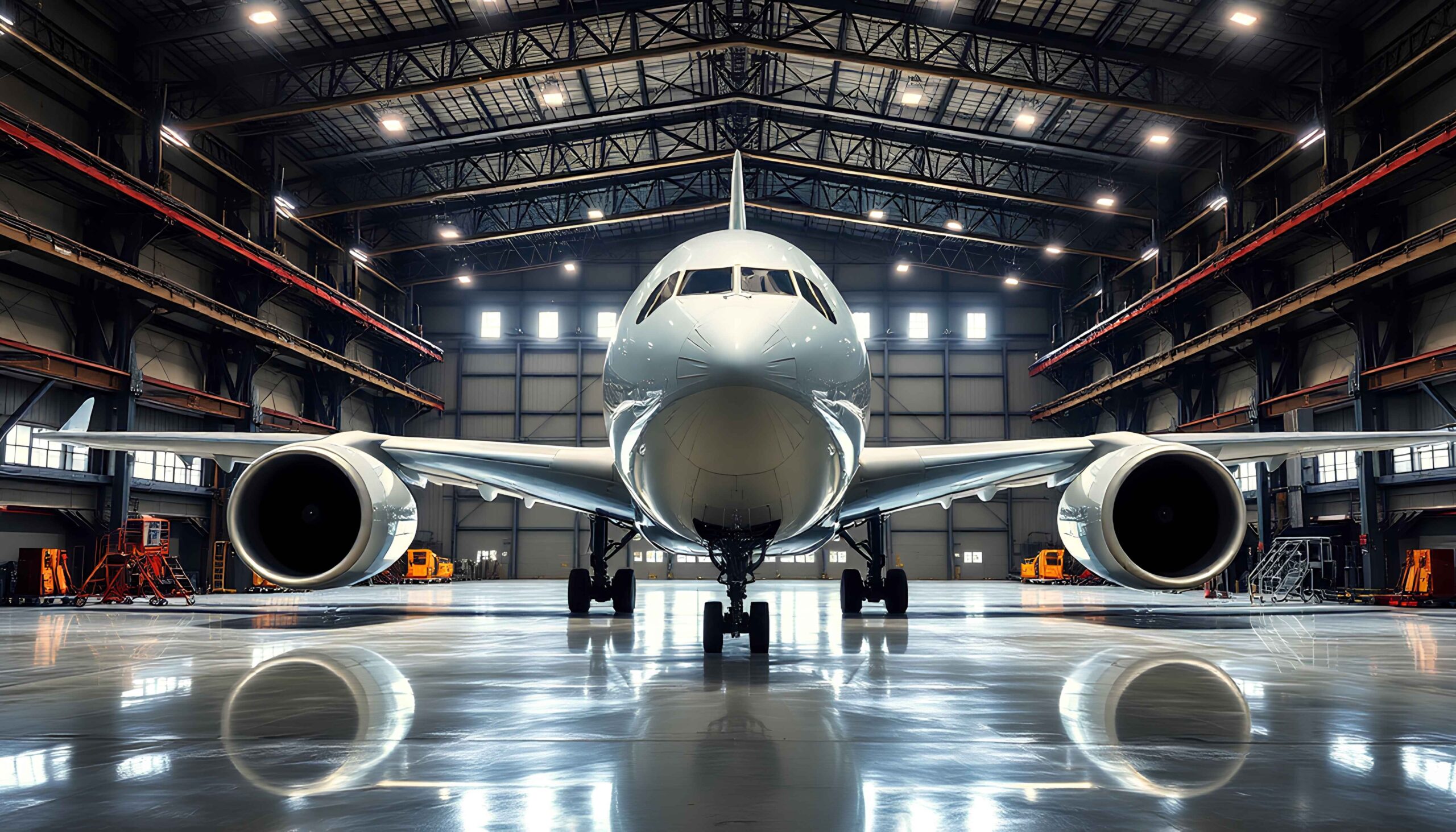
Aerospace
SAET PRODUCTS
The continuous induction line consists of several synchronized stages designed to transform the microstructure of the steel:
Induction Heating: the wire passes through a series of induction coils. High-frequency alternating current creates eddy currents that rapidly heat the wire to its austenitizing temperature.
Quenching: immediately after heating, the wire is rapidly cooled using water sprays or specialized polymer quenchants. This “thermal shock” transforms the austenite into martensite, a extremely hard but brittle crystal structure.
Induction Tempering: to remove brittleness and achieve the desired toughness, the wire passes through a second set of induction coils. It is reheated to a lower, precise temperature. This allows the martensite to transform into tempered martensite, providing the perfect balance of strength and ductility.
Switching to a continuous induction line offers significant competitive advantages in terms of quality, economy, and environmental impact.
Key Benefits:
Superior Uniformity: continuous processing ensures that every millimeter of the wire receives the exact same thermal treatment, eliminating the “batch-to-batch” variations common in traditional furnaces.
Reduced Scaling and Decarburization: the rapid heating time (seconds vs. minutes) minimizes the exposure to oxygen, resulting in a cleaner surface finish and preserving the carbon content of the steel.
Energy Efficiency: induction systems only consume energy when the wire is actually passing through the coil. There is no need to keep a massive furnace “soaked” in heat for hours.
Compact Footprint: induction lines are significantly shorter than traditional gas-fired lead or salt bath lines, saving valuable factory floor space.
USEFUL LINKS
Come visit us at our stand and discover our latest solutions!
We look forward to seeing you there!