
Key factors for a successful induction heating project
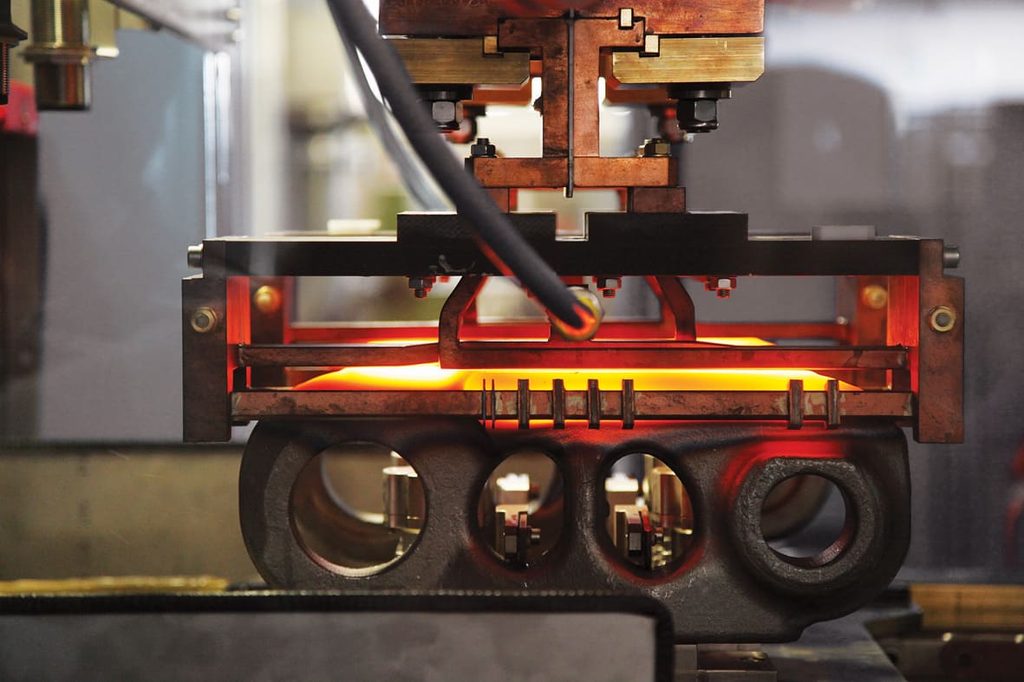
The adoption of induction heating continues to grow across a wide range of industrial sectors. Based on the principle of electromagnetic induction, this technology generates heat directly within electrically conductive materials, providing a highly efficient alternative to conventional heating methods such as gas-fired furnaces and electric resistance heating systems.
Recognized for its versatility and performance, induction heating significantly improves manufacturing processes in terms of energy efficiency, process control and sustainability. Its increasing adoption reflects the growing demand for technologies capable of delivering higher productivity while reducing environmental impact.
Induction heating offers a range of advantages that make it the preferred solution for numerous industrial applications, from energy optimization and operational safety to process precision and production flexibility.
Energy efficiency and faster production cycles
One of the main advantages of induction heating is its exceptional energy efficiency. Unlike conventional furnaces, which first heat the surrounding environment before transferring heat to the workpiece, induction systems generate heat directly within the material.
This direct energy transfer drastically reduces heat losses and minimizes energy waste. As a result, heating times are significantly shorter, enabling faster production cycles and increased overall productivity.
Precision and process control
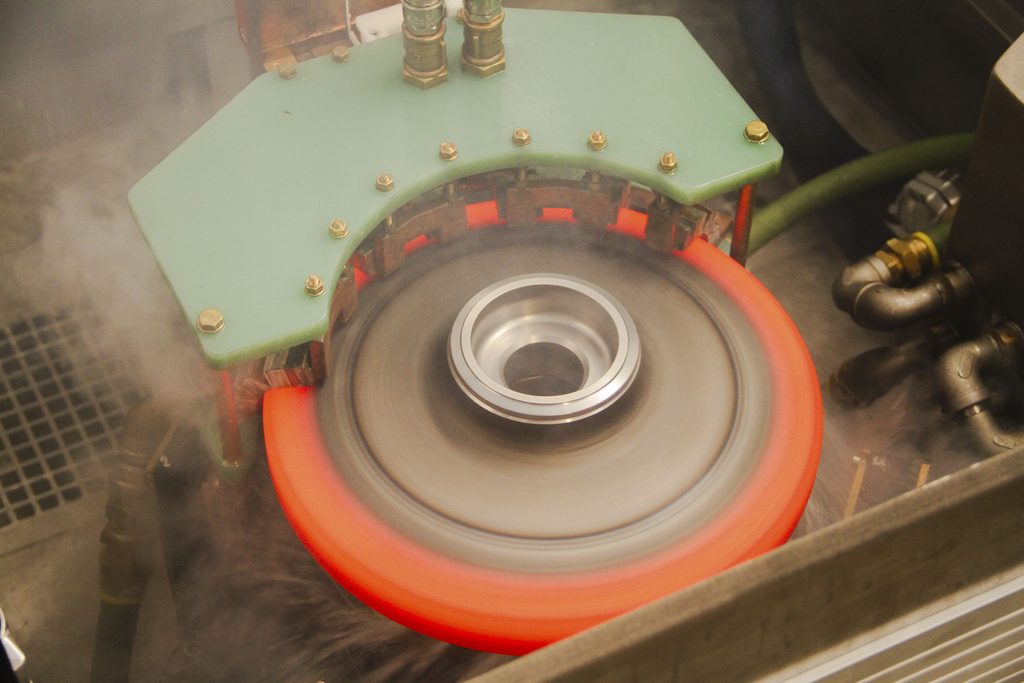
Induction technology provides unparalleled precision and control by concentrating heat exactly where it is needed. This capability is particularly valuable for applications such as induction hardening, where only a specific surface layer requires structural transformation while maintaining a tough and ductile core.
Precise control of power, frequency and heating time ensures repeatable thermal profiles and consistent process results. Advanced monitoring systems, sensors and automation technologies allow real-time process adjustments, ensuring uniform quality and meeting the stringent requirements of industries such as aerospace and automotive manufacturing.
Improved safety for operators and equipment
Induction heating significantly improves workplace safety. Since heat is generated directly inside the workpiece without combustion, there are no open flames, exhaust gases or harmful emissions.
This reduces risks associated with fires, explosions and environmental contamination, creating a safer production environment for both personnel and equipment.
Better working conditions and environmental sustainability
Because heating is localized and targeted, considerably less residual heat is released into the surrounding environment compared to conventional furnace-based processes.
This creates a more comfortable working environment by reducing heat stress and improving operator ergonomics. Lower exposure to high temperatures, excessive noise and airborne pollutants contributes to a healthier workplace and improved overall employee well-being.
Versatility across industrial sectors
The versatility of induction heating is one of the key reasons for its widespread adoption. The technology can be applied to a wide range of conductive materials, including carbon steels, alloy steels, stainless steels, aluminum, copper, brass and specialty alloys.
Industrial induction heating applications include surface and through hardening, tempering, forging, metal melting, welding, brazing and the heating of tubes and bars.
The automotive industry extensively uses induction heating for shafts, gears, CV joints and transmission components. The aerospace sector employs it in the production of high-strength lightweight components, while the energy sector relies on it for large wind turbine components and heavy-duty bearings.
Long-term investment value and ROI
To fully benefit from induction heating technology, several factors should be considered during the early stages of project development. Generator selection, coil design, automation level and material characteristics all directly impact system performance. While the initial investment may be higher than some conventional heating technologies, the return on investment (ROI) is often achieved rapidly through reduced energy consumption, higher productivity and lower scrap rates.
Working with an experienced induction technology partner helps optimize the process from the design phase onward, ensuring reliable, repeatable and sustainable long-term performance.
How to evaluate an induction heating project
Evaluating an induction heating system requires a thorough analysis of both technical and production-related factors. Key considerations include the material to be processed, component geometry, required production volumes, target temperatures and the desired level of automation.
The selection of the induction power supply and induction coil also has a direct impact on process performance, energy efficiency and final product quality. For this reason, it is important to work with partners capable of performing application testing, process simulations and preliminary validation activities.
A structured engineering approach makes it possible to identify the solution that best aligns with production objectives while optimizing cycle times, energy consumption and long-term operating costs.
The importance of engineering and customization
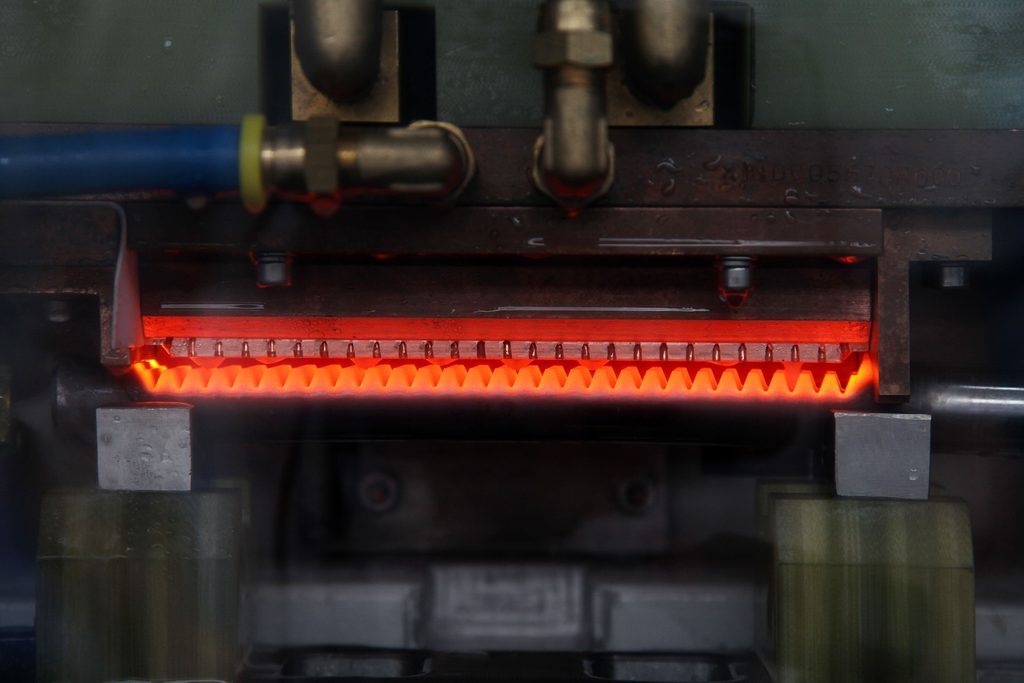
One of the factors that most significantly affects the performance of an induction heating system is the engineering phase. Unlike many conventional heating technologies, induction heating requires the power supply, induction coil, handling system and process parameters to be developed as an integrated solution tailored to specific production requirements.
Induction coil design is one of the most strategic aspects of the entire system. Component geometry, required heating depth, material properties, cycle time and production targets all directly influence the final configuration. Proper coil design maximizes energy transfer, improves temperature uniformity and reduces energy consumption.
For this reason, Saet Induction develops customized systems that combine application expertise, process simulation and metallurgical know-how, enabling customers to achieve high-quality standards and repeatable long-term performance.
Technical support and application expertise
Choosing the right technology is only the first step. The success of an industrial project also depends on partnering with a company that offers proven application expertise and an in-depth understanding of manufacturing processes. From defining treatment parameters to system commissioning, technical support plays a crucial role in reducing start-up times and optimizing overall system performance. Preliminary testing, process validation, operator training and after-sales support help manufacturers fully exploit the potential of induction heating technology.
Drawing on decades of experience in the automotive, energy, aerospace, railway and off-highway industries, Saet Induction works closely with customers to develop reliable, productivity-driven solutions while providing support throughout the entire lifecycle of the equipment.
Materials and applications: choosing the right solution
Although induction heating is most commonly associated with metallic materials, its range of applications is extremely broad.
In specific applications, induction can also be used as an indirect heat source through the use of susceptors. These elements are heated by the electromagnetic field and subsequently transfer heat to the target material. This approach further expands the range of possible applications for induction technology.
Selecting the most suitable configuration depends on multiple factors, including part geometry, production volume, metallurgical characteristics and process objectives. For this reason, a customized engineering approach is often the key to maximizing the benefits and long-term value of the investment.
Real-world induction heating applications across major industries
From induction hardening and forging to tube and bar heating, induction technology has become a key solution for high-efficiency industrial manufacturing processes.
Its ability to deliver precision, speed and repeatability makes it particularly valuable in production environments where quality and productivity are critical competitive factors.
Applications include:
- Automotive: shafts, gears, transmission components and CV joints
- Energy: large bearings, wind turbine components and heavy-duty equipment
- Railway industry
- Aerospace manufacturing
- Construction and earthmoving equipment
Thanks to its flexibility, induction heating is suitable for both high-volume production and specialized applications involving complex metallurgical or geometric requirements.
Why companies worldwide choose Saet Induction
Selecting an induction heating solution means choosing a technology partner capable of supporting long-term manufacturing performance.
With more than sixty years of experience, Saet Induction is internationally recognized as a leading provider of induction heating and induction heat treatment technologies.
The company designs and manufactures:
- Induction power supplies (generators)
- Induction coils
- Induction hardening machines
- Fully automated induction systems
By combining expertise in electromagnetics, power electronics, metallurgy, mechanical engineering, fluid dynamics, industrial automation and software development, Saet Induction delivers customized solutions tailored to each customer’s production goals.
Extensive experience in induction hardening, tempering, forging, billet and bar heating and special thermal processes enables the company to meet demanding productivity, quality and energy-efficiency requirements.
Through continuous research and development, application testing, process simulation and global technical support, Saet Induction helps customers maximize equipment performance, reliability and energy efficiency throughout the entire lifecycle of their systems.
Contact our experts to discover how Saet Induction solutions can improve the efficiency, quality and sustainability of your manufacturing processes.